Tips to plant wildflowers this fall for a beautiful spring
Expert advice on timing, seed mixes and care for lasting blooms
If you want a yard filled with bluebonnets, coreopsis, sunflowers and other Texas wildflowers next spring, fall is the perfect time to plant seeds.
Michael Arnold, Ph.D., director of The Gardens at Texas A&M University and professor of landscape horticulture in the Texas A&M College of Agriculture and Life Sciences Department of Horticultural Sciences, says patience is key.
“Planting wildflowers is all about delayed gratification,” Arnold said. “You won’t see immediate results, but planting in September, October or early November gives the wildflowers time to establish before winter dormancy. The farther north you are in Texas, the earlier in the season you should plant.”


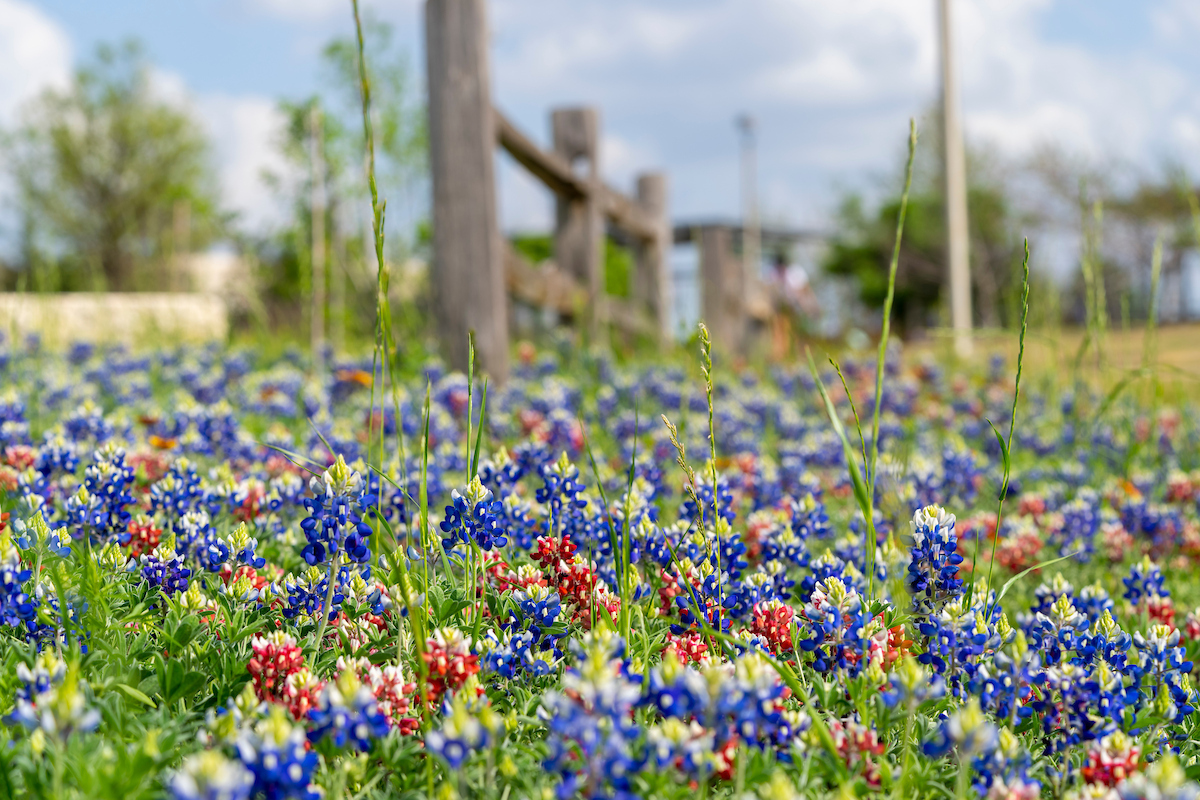
Plan for continuous blooms from spring to summer
Get the best of Texas A&M AgriLife
Subscribe to get the latest research, events and news sent straight to your inbox.
To enjoy a vibrant display of Texas wildflowers from spring through midsummer, Arnold suggests planting strategically:
- Mix annuals and perennials. Annuals bloom quickly in the first year, while perennials bloom better in the second or third year. Together, they create a seed bank that ensures color year after year.
- Plan a sequence of blooms. For early spring, try bluebonnets, tickseed and Indian paintbrushes. Then add evening primrose, Mexican hat and coreopsis for late spring to midsummer. Hardy sunflowers extend summer color even further.
- Choose a regional seed mix. Use wildflower blends designed for your part of Texas. You can buy them online or at local nurseries that specialize in regional seed mixes.
Choose the right spot for wildflowers
Wildflowers peak from late winter through midsummer. So, Arnold encourages you to think about where you will want that burst of color.
For the best wildflower display, follow some tips from Arnold:
- Plant in full sun with at least six hours of sunlight daily.
- Use well-draining soil.
- Plant along garden edges or in naturalized areas to create a lasting landscape feature.
- Protect your seed bank. Avoid mowing or cutting wildflowers too soon, so seeds can replenish for next year’s blooms.
Prepare soil and scatter seeds
Successful wildflower planting starts with proper soil preparation and seeding. Arnold’s tips for best results:
- Loosen soil in existing beds or clear and till new areas.
- Scatter seeds evenly and gently press them into the soil to ensure good contact, but don’t bury them entirely.
- Ensure seeds get plenty of sun exposure.


Water wildflowers for a strong start
Water newly planted seeds to get them started, but don’t overwater.
“If Mother Nature doesn’t provide enough rainfall to keep the soil moist, you might need to step in with water,” Arnold said. “You want the seeds to have plenty of moisture to begin with, and as the seedlings are germinating.”
Once rooted, most Texas wildflowers require little care. With a little planning and planting this fall, you’ll enjoy a colorful display of blooms for years to come.